


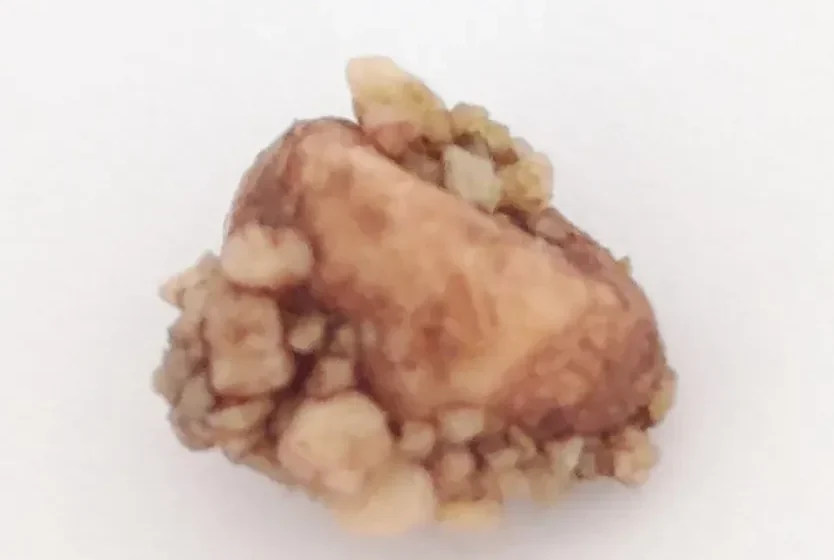
Bile problems and gallstones
Gallstones occur more often in women than in men. 15 -20% of women and 10 – 15% of men. The causes of gallstones are inadequate nutrition, obesity, age, sudden weight loss, weight loss, stress, hormonal imbalance…
ORIGIN: Gallstones are most often formed due to a lack of bile acids and an increase in cholesterol. Part of the crystallized cholesterol is deposited in the gallbladder or bile duct. These tiny stones are called gallstones (cholesterol, pigments and salts). Larger stones can be from a few mm to a few cm in size. They are often calcified.
There are two types of gallstones. A symptomatic (inactive or silent) and symptomatic (active). Inactive ones do not cause major problems, so we often do not even know that we have them. Occasionally, we may feel bloating, heaviness under the right rib cage, especially after a large, heavy meal (a combination of fatty and sweet foods). Active gallstones cause severe cramps, pain, nausea, vomiting, heartburn, diarrhea… When they move in the gallbladder, we can feel strong cramps and bloating. The pain is felt under the right rib cage, radiating to the abdomen, and can also be felt in the right shoulder. Cramps or colic can last from a few minutes to a few hours. When the stone moves and settles, the pain immediately subsides. When the gallstone continues its journey into the bile duct, the pain occurs in attacks, which may be accompanied by vomiting, nausea. The pain can also radiate to the shoulder blade and back.
WARNING: if the pain lasts more than 6 hours without interruption and is accompanied by dark urine, light white stools or yellowing of the sclera and skin, it is necessary to see a doctor.
COMPLICATIONS: acute inflammation of the gallbladder (cholecystitis), blockage of the bile ducts (choledocholithiasis), (cholangitis) purulent inflammation of the bile ducts, intestinal obstruction, the stone passes into the duodenum (acute pancreatitis) …


