


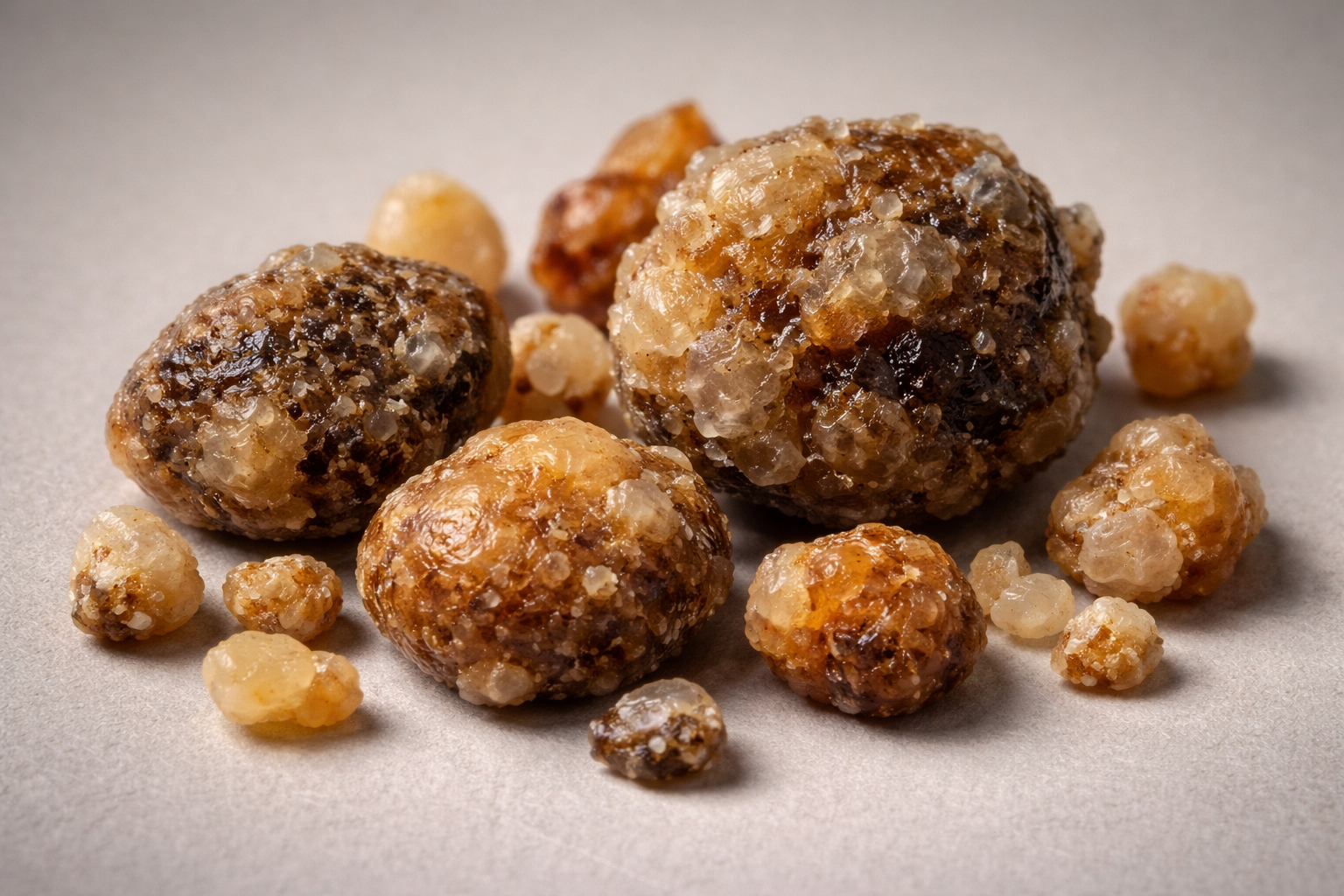
Kidney stones
Kidney stones are a collection of hard deposits which form in the kidneys, in various sizes. Large stones can be from the size of a grain of sand to several centimeters in diameter.
They form due to an excess of minerals and salt in urine. These can crystallize and stick together to form so-called kidney stones stones.
There are several types of kidney stones. The most common are calcium stones (75% to 85%), which are composed of calcium and oxalate.
10 to 15% of stones are struvite stones, which are composed of magnesium ammonium sulfate and are usually associated with urological diseases. 5 to 8% of kidney stones are called urate stones, which are formed from uric acid. Cystine kidney stones account for up to 1% of cases and are associated with congenital disorders of cystine absorption in the kidneys. Xanthine kidney stones are extremely rare. They are the result of a genetic disorder or treatment with allopurinol.
How do we know that we have kidney stones? Pain in the lumbar part of the back, which can spread across the a9> the hip towards the bladder and the genitals, to the inner part of the thigh. Difficult painful urination and blood in urine, feeling of weakness and fatigue, nausea/ vomiting and fever.
Diagnosis of kidney stones . Most often, a regular ultrasound shows kidney stones in the kidneys, and possible blockages of the urinary tract. If necessary, X-ray imaging, CT imaging, monitoring of CRP inflammatory processes and more and more blood tests are also used.
Removing kidney stones. There are several methods of removing kidney stones. The most common method is ultrasonic crushing of kidney stones, so that the stones can be moved more easily into the ureter and thus eliminated. Laser crushing. For very large kidney stones, methods such as endoscopic lithotripsy, percutaneous nephrolithotomy, classic surgery are also used…
Prevention and diet for kidney stones. The first and most important thing is to drink enough water. Depending on the weather conditions, you need to drink 2 to 2.5 liters of water a day. This dilutes the urine and has a preventive effect on the formation of kidney stones. A diet rich in fiber and a mixed diet that is not too rich is recommended for everyone, not just people at risk of kidney stones. If we have already received an analysis of the composition of the excreted kidney stone, we adjust the diet accordingly. In general, it is not recommended to consume foods such as: coffee, tea, coke, carbonated drinks, foods that contain a lot of oxalates, too much salt, large amounts of nutritional supplements (e.g. vitamin C, calcium). So in moderation in everything.
Alternative for kidney stones. Father Ašič already describes in his old recipes how to get rid of kidney stones in a natural, painless way, with dried chicken gizzard membranes. The method is old, but successful for most kidney stones, which are up to 85% composed of calcium and oxalate. Drinking water in sufficient quantities so that excess minerals are excreted and do not settle in the kidney vesicles. We ensure that the body is not acidic with a balanced diet. Some people occasionally use: baking soda, lemonade, apple cider vinegar (a tablespoon in a glass of water), soaked millet water (soaked overnight), horsetail tea, dandelion root, etc.


